Sep 24, 2025 | Island News
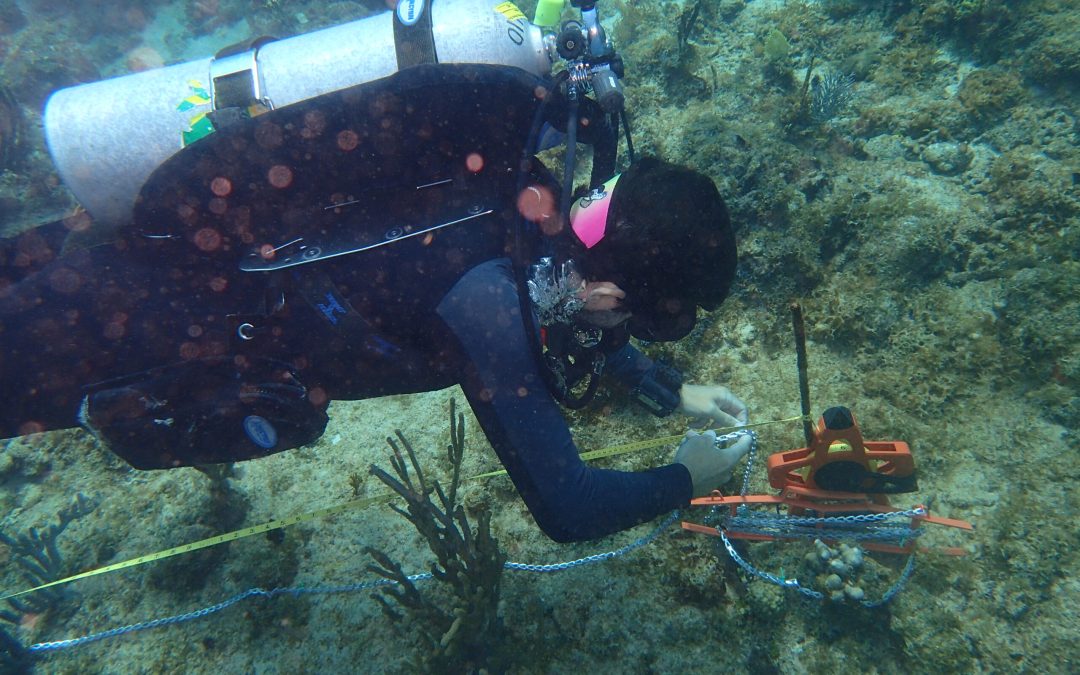
Two scientists with the National Oceanic and Atmospheric Administration (NOAA) recently visited St. Croix to study St. Croix’s coral reefs to guide protection efforts. According to the St Croix Source, the NOAA scientists who visited St. Croix from Miami included Ian Enochs, Ph.D., head of NOAA’s Coral Program at the Atlantic Oceanographic and Meteorological Laboratory (AOML), and oceanographer Nicole Besemer, the Caribbean Climate Operations Coordinator for the National Coral Reef Monitoring Program (NCRMP).
Enochs said, “NOAA recognizes the incredible economic and societal value of coral reefs, including the billions of dollars in tourism and fisheries they support for the U.S. economy, as well as the coastal and storm protection they provide to homes and communities,” he explained. “Our work is targeted at making sure that our American reef infrastructure is maintained for all that benefit from it.”
Enochs also said, ““St. Croix is home to beautiful coral reefs that support important fish populations and buffer the shore from wave energy, as well as provide amazing diving and snorkeling opportunities that bring in tourists and support local businesses,” and “Anyone walking through the towns can see the importance of diving and ocean tourism, and anyone that is lucky enough to actually see the reefs themselves underwater can view their beauty. Reefs are such a vital part of what makes St. Croix what it is.”
Vulnerabilities also exist in St Croix’s coral reefs. In some areas, there has been coral death from bleaching and disease. Besemer shared her observations, “My first time at the monitoring sites was in 2019, and we have now visited in 2022 and 2025,” Besemer said. “I have seen firsthand the difference and amount of coral that we have lost due to bleaching and coral disease in our photomosaics. It’s very important to track these changes and make sure managers, stakeholders and the general public are aware of the status of their reefs so informed decisions can be made to protect and restore them.”
Read the full article here.
Photo courtesy Ian Enochs, Nicole Besemer, NOAA
Sep 9, 2024 | Island News
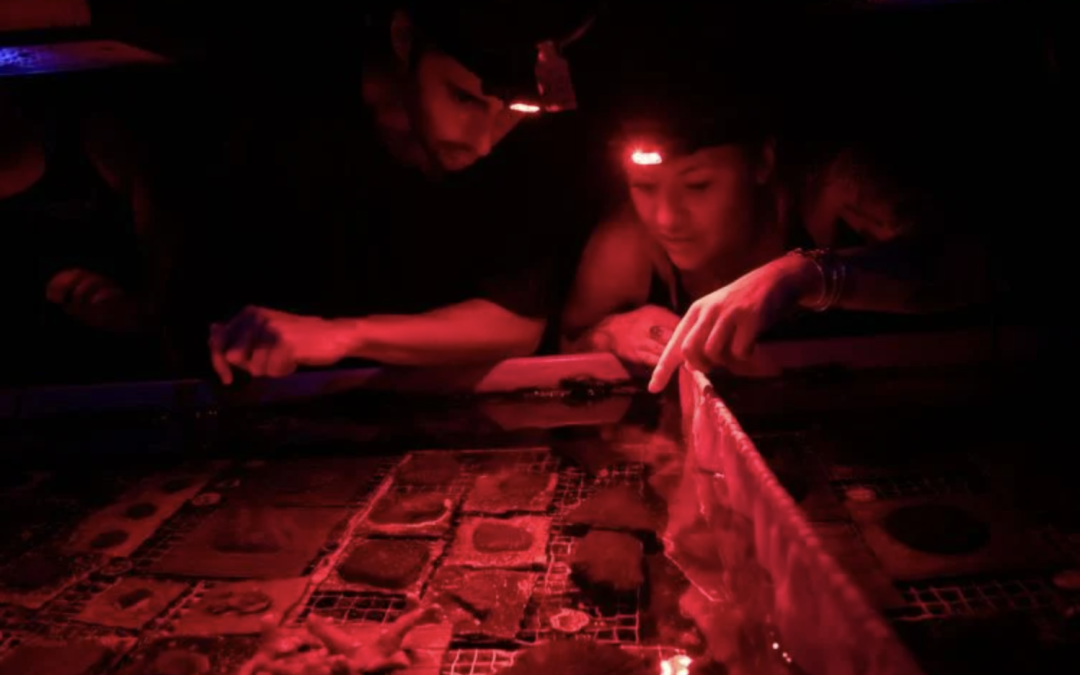
Coral propagation can happen in different conditions. According to the VI Daily News, despite the many factors in play, researchers can identify the windows in time when corals are most likely to release gametes. Over the past week, teams of Nature Conservancy divers scoured the waters off The Deep End and Cane Bay for those gametes while others monitored the corals at TNC’s Coral Innovation Hub in Estate Little Princess. The researchers found a smaller number of colonies than they hoped for. The effects of the bleaching event in fall of 2023 is still being felt. The recent slight yield followed another disappointing spawning season in May, when another brain coral species The Nature Conservancy monitors showed the effects of last fall’s severe bleaching and heating event. When corals bleach, they exhaust their food reserves and find themselves with little energy to procreate according to researchers.
While bleaching does occur naturally, warming oceans means it’s starting earlier, ending later and more intense, giving corals less opportunity to recover according to the researchers in the article. The Nature Conservancy’s St. Croix work — which this week included late nights diving in worm-ridden waters or peering over dimly-lit aquariums — is meant to restore coral reefs by, eventually, churning corals out at scale.
Read the full article about the researchers work here.
Photo by Kat Macavoy of VI Daily News
Feb 27, 2024 | Island News
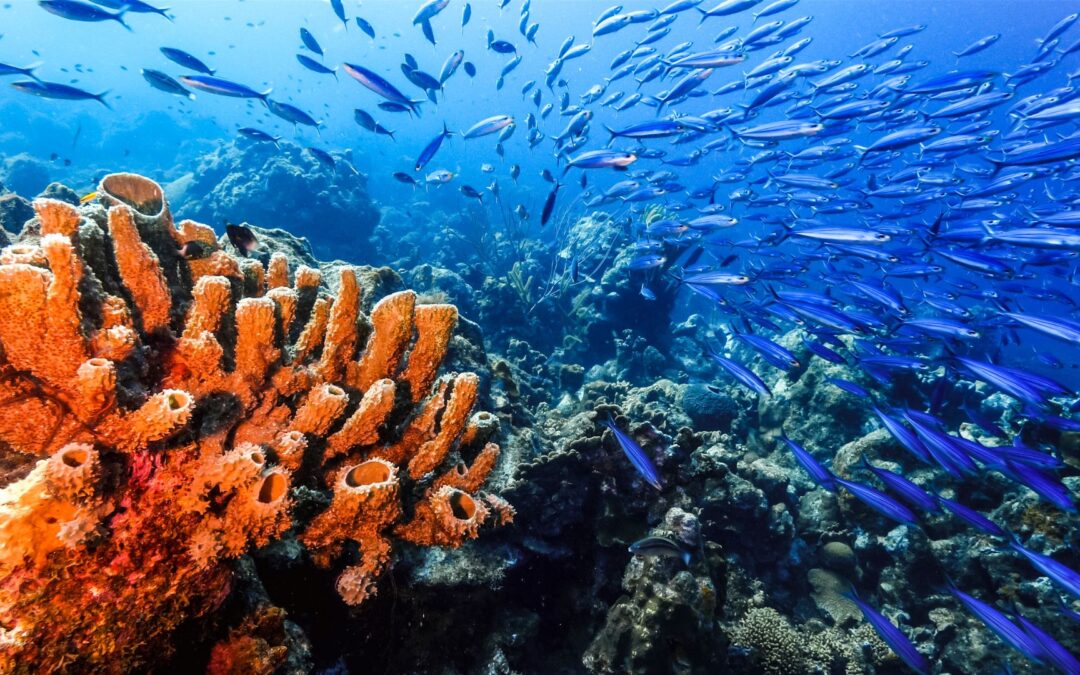
The U.S. Department of the Interior announced last week that almost $4 million had been allocated to projects and programs in several U.S. territories, including the U.S. Virgin Islands as reported by the VI Consortium recently. This is aimed at combating climate change, restoring coastal areas, and eradicating invasive species. Read the full article here.
In the announcement on February 5, 2024 found here, the Dept of Interior said $971,000 will go to the U.S. Virgin Islands to support the development of an early detection and rapid response framework of invasive species and support surveys of plant communities that connect northern and southern shorelines across St. Croix, St. Thomas and St. John. This is a component in the nearly $7 million from President Biden’s Investing in America agenda to advance climate resilience and restore lands and waters through impactful ecosystem restoration work in the U.S. territories.
Jan 29, 2024 | Island News
St. Croix as the V.I. Trail Alliance, St. George Village Botanical Garden and V.I. Agriculture Department came together last week at Government House on St. Croix, to celebrate the award of a record $6.5 million in federal urban forestry grants meant to improve the island’s climate resiliency and food security. The St. Croix Source’s article this weekend reported that Agriculture Commissioner Louis Petersen said the money will allow the department, which partners with the V.I. Trail Alliance, to plant a variety of trees to increase food production but also to train people to nurture and maintain the green spaces, creating job opportunities and economic benefits to the community. Read the full article here.
The proposal for the grant included inspiring and programs and solutions for urban forestry that included using trees here is to offset food insecurity, educating youth and paid training for the workforce, facilitating projects geared to community education, workforce development in urban forestry, climate mitigation, forest conservation and food resilience, and more.
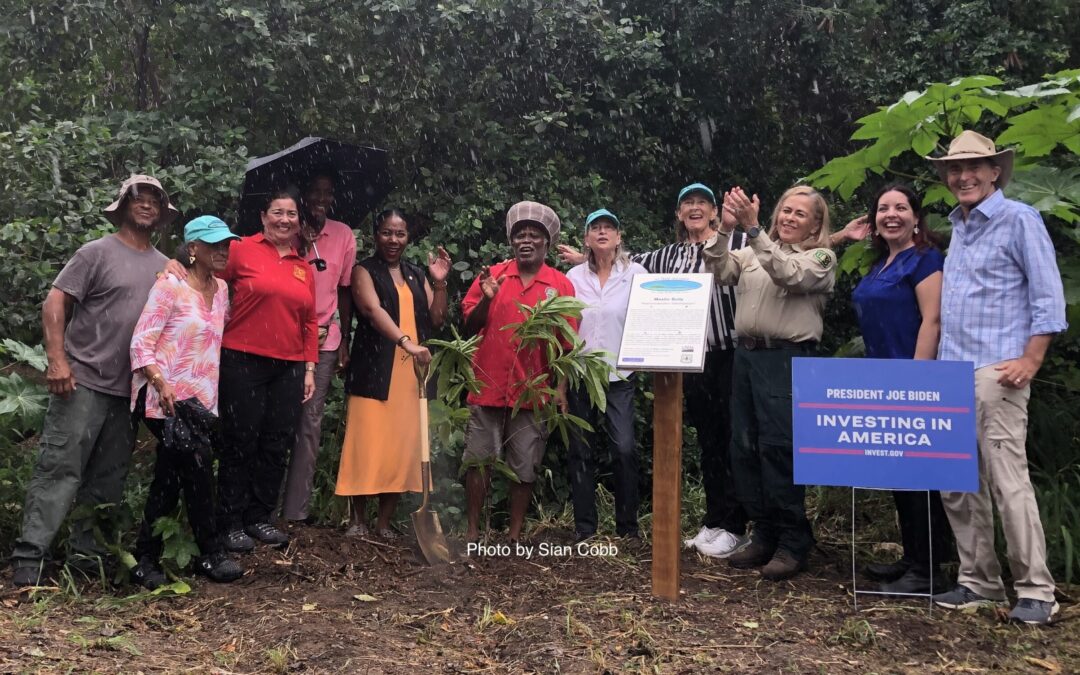
To commemorate the award of $6.5 million in urban forestry grants for the big island under President Joe Biden’s Inflation Reduction Act, members of the V.I. Trail Alliance, My Brother’s Workshop, the International Institute of Tropical Forestry in Puerto Rico, and the Urban and Community Forestry Program of the U.S. Forest Service planted a mastic bully tree at the Estate Adventure Pavilion and Trail on Wednesday on St. Croix (photo above).
Jan 26, 2024 | Island News
We were excited to read Travel + Leisure‘s February 2024 Water Issue and seeing St. Croix and local businesses in the spotlight! In the online article (a version of this story first appeared in the mentioned issue of Travel + Leisure) “The Largest U.S. Virgin Island Is Largely Unspoiled — Thanks to Its Eco-friendly Ethos” Travel + Leisure highlighted St Croix as a bright, eco-friendly, low-impact choice for tourism in the Caribbean.
St. Croix, the largest of the U.S. Virgin Islands, is not overdeveloped and much of its natural beauty remains unspoiled. There are limited nonstop flights from major cities, relatively few cruise ships, and no mega-resorts — just a smattering of boutique hotels.
Travel + Leisure
Bush Cook, a three-day community fair at Sejah Farm, Jack & Isaac Bay Preserve, Feather Leaf Inn, Coral Innovation Hub, and more were featured. Read the e-version of the article here.