“Work-From-Island” on St. Croix

“Work-From-Island” on St. Croix

Why start the workday under gray skies, with a driveway to shovel, when it can begin with coffee on the beach and carry on from a gallery overlooking the Caribbean Sea? Remote professionals on St. Croix are living that morning, and the laptop, the calls and the deadlines travel right along with them. Chris and Christie Powers help remote professionals find the home base that makes it theirs.

A Long Vacation With a Desk: The Case for Working From the Islands

Working from the islands feels like a long vacation that happens to include a workday, and the length of the stay is yours to choose. A few weeks is enough to learn what an ordinary Tuesday feels like here, and plenty of remote professionals use a longer stay to find out whether St. Croix is the right place to settle for good.

Others have no plan to move permanently and simply want out of bitter cold and short, sunless days. Working from the islands for part of the year takes care of that.

No Passport, US Dollar, US Mail: Why the USVI Works for Remote Professionals

U.S. citizens can live and work on St. Croix without a visa or work authorization, because the US Virgin Islands are a U.S. territory. Travel from the mainland requires no passport, purchases settle in US dollars and mail moves through the US Postal Service, so a stay on the islands runs on the same routines a remote professional already keeps at home. Employers set their own rules for where staff may work, so confirm your company’s remote-work policy before settling your dates.
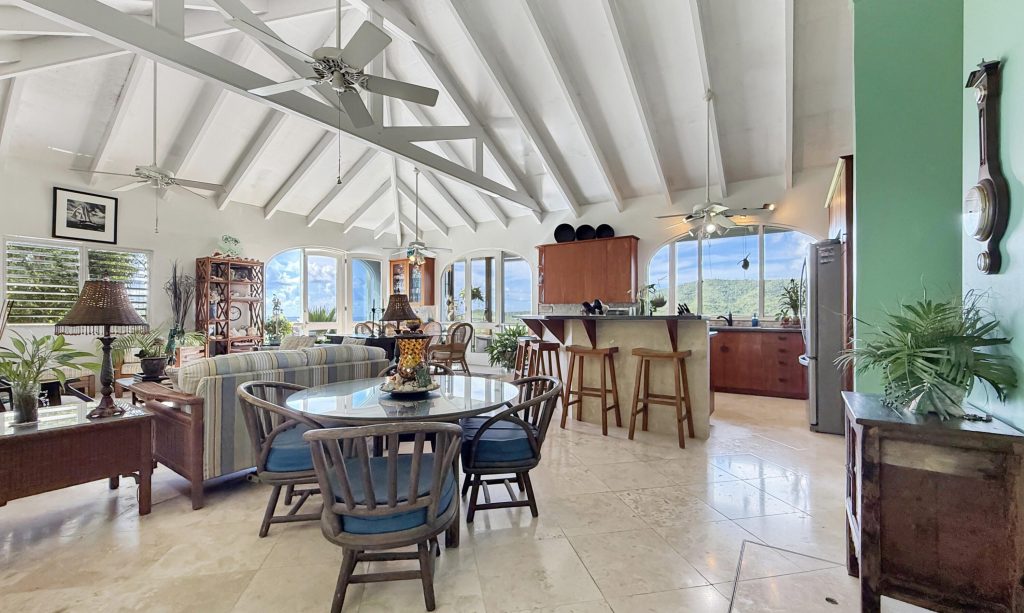
 

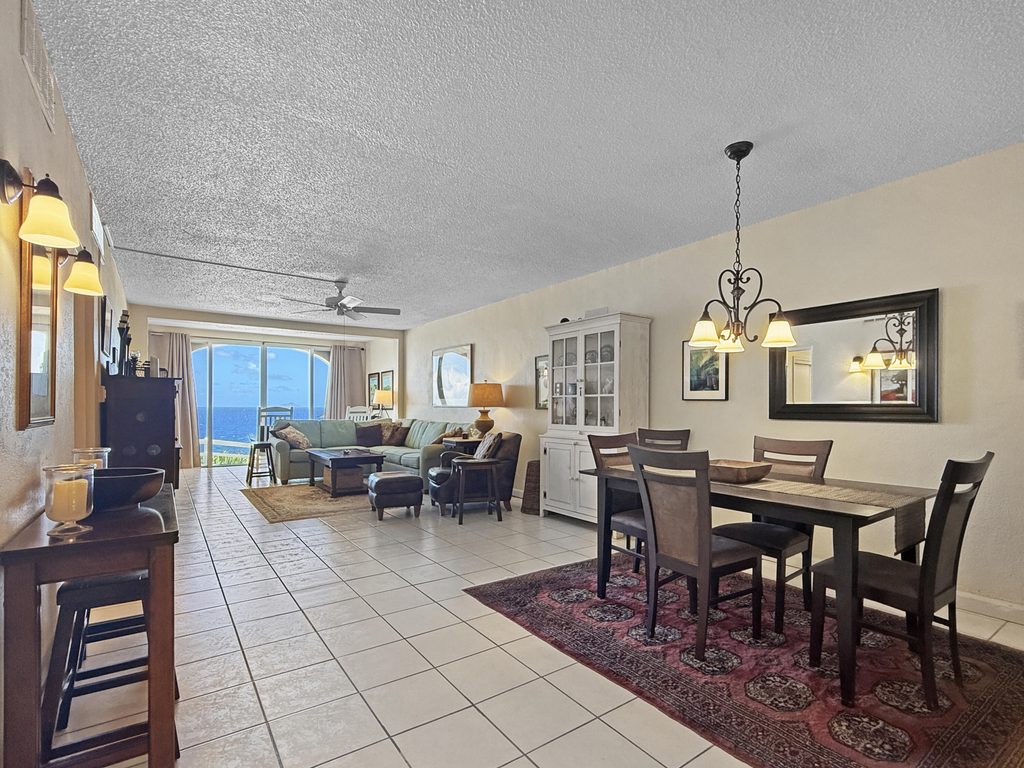
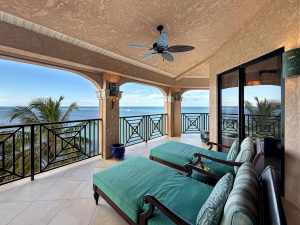
 2-D The Sight is a spacious home with an apartment that can be a dedicated office space

Home Features to Prioritize: Office Space, Connectivity, and Outdoor Living

A dedicated room for work comes first. Agents interviewed by Inman about remote-working buyers singled out a study or den as especially valued, usually alongside a second full bathroom and generous outdoor space. A spare bedroom with a door that closes does the same job on the islands, and what matters is a room where a laptop and monitor can stay set up for the whole stay.

Connectivity decides whether a home works for a remote professional, and most properties on the islands have multiple high-speed internet options, including Starlink satellite service, which is fast and reliable. Every location is a little different, so talk with the listing agent about which options serve the home you are considering and make sure the location works for your needs.

Outdoor space works as an extension of the office. A covered gallery or terrace lets you carry the laptop outside for part of the day and return emails in the tradewinds, so a covered outdoor area is well worth looking for as you tour homes. Furnished, move-in-ready homes let a remote professional arrive with a suitcase and a laptop, which suits anyone who wants an easy-to-maintain base. Our active sale listings are a starting point, and the listing agent can tell you whether furnishings are available with a home.

Condo or Single-Family Home for a Work-From-Island Stay

A condominium makes a straightforward home base, since an association typically handles exterior upkeep and furnished units let a stay begin quickly. A single-family home offers room for a dedicated office and a larger outdoor space. Both are available across St. Croix real estate, and the right choice follows the shape of the workday, meaning how many hours are spent at the desk and how many outside it.
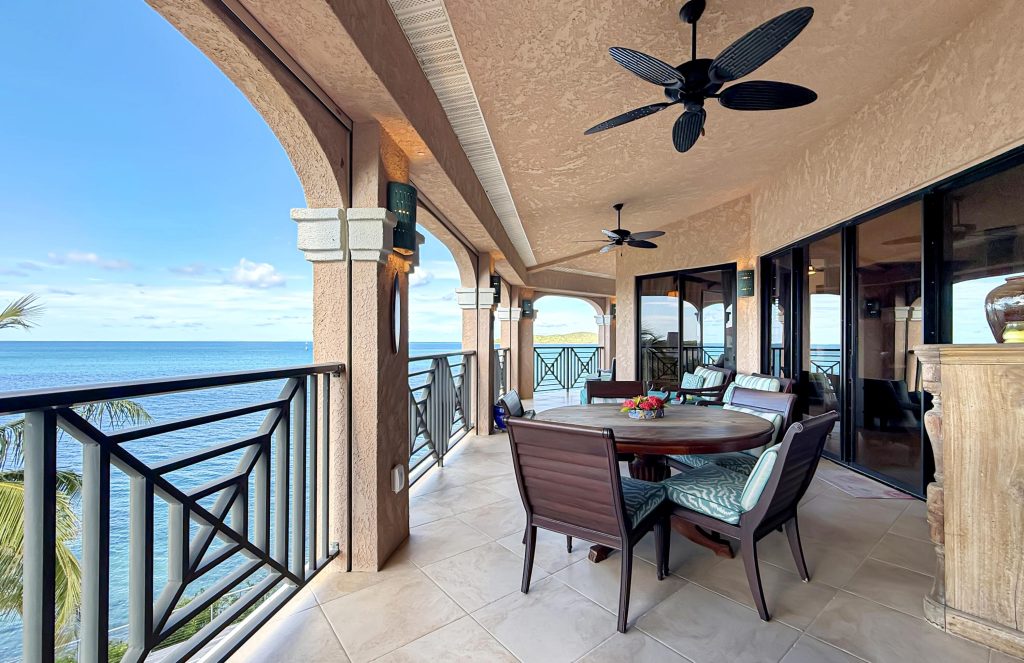
 

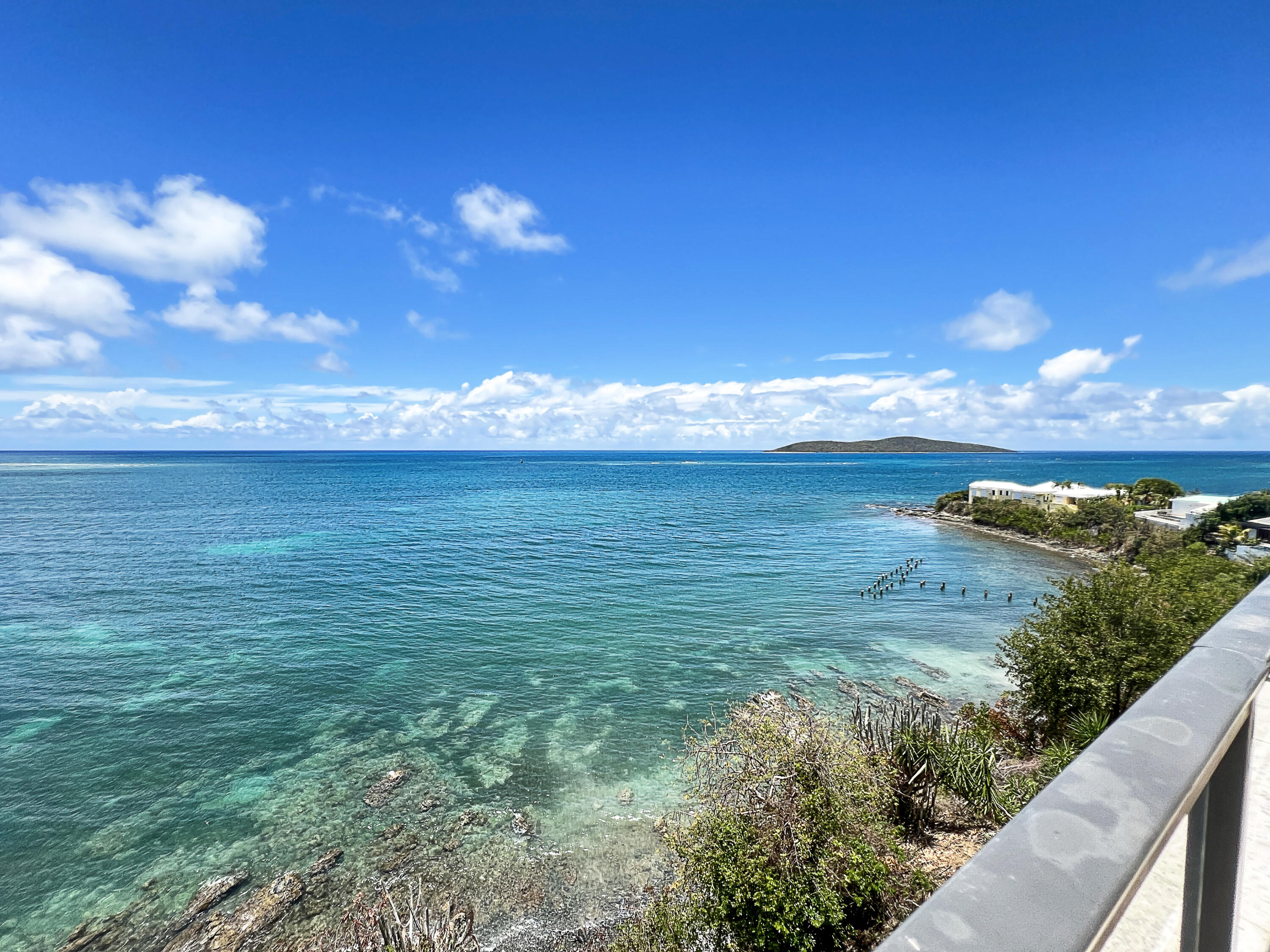
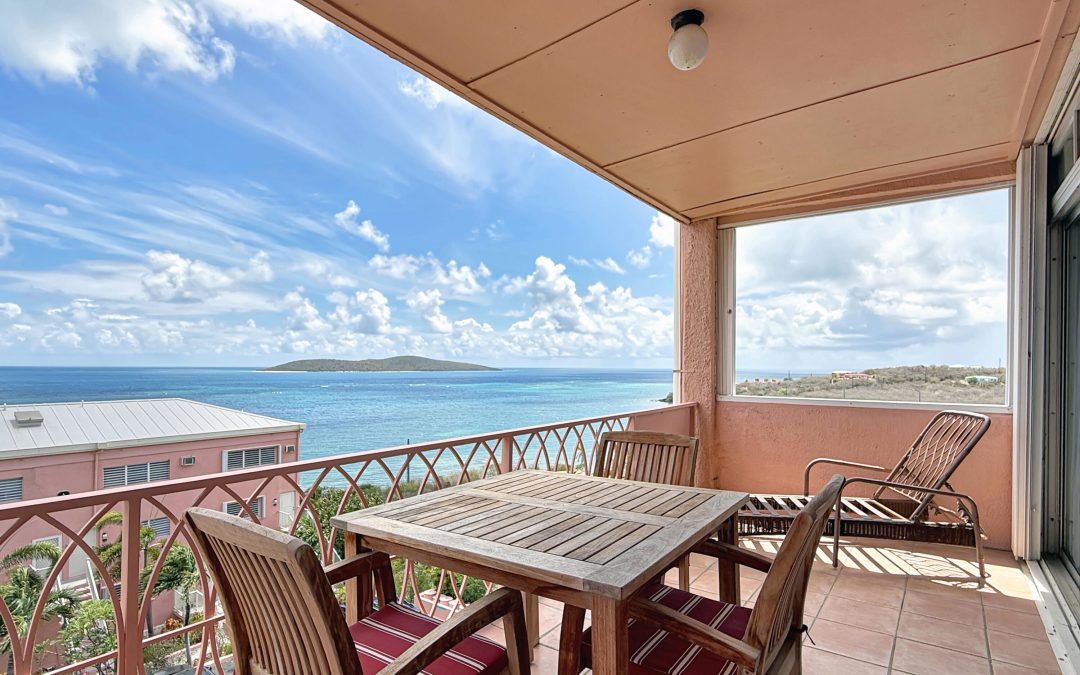
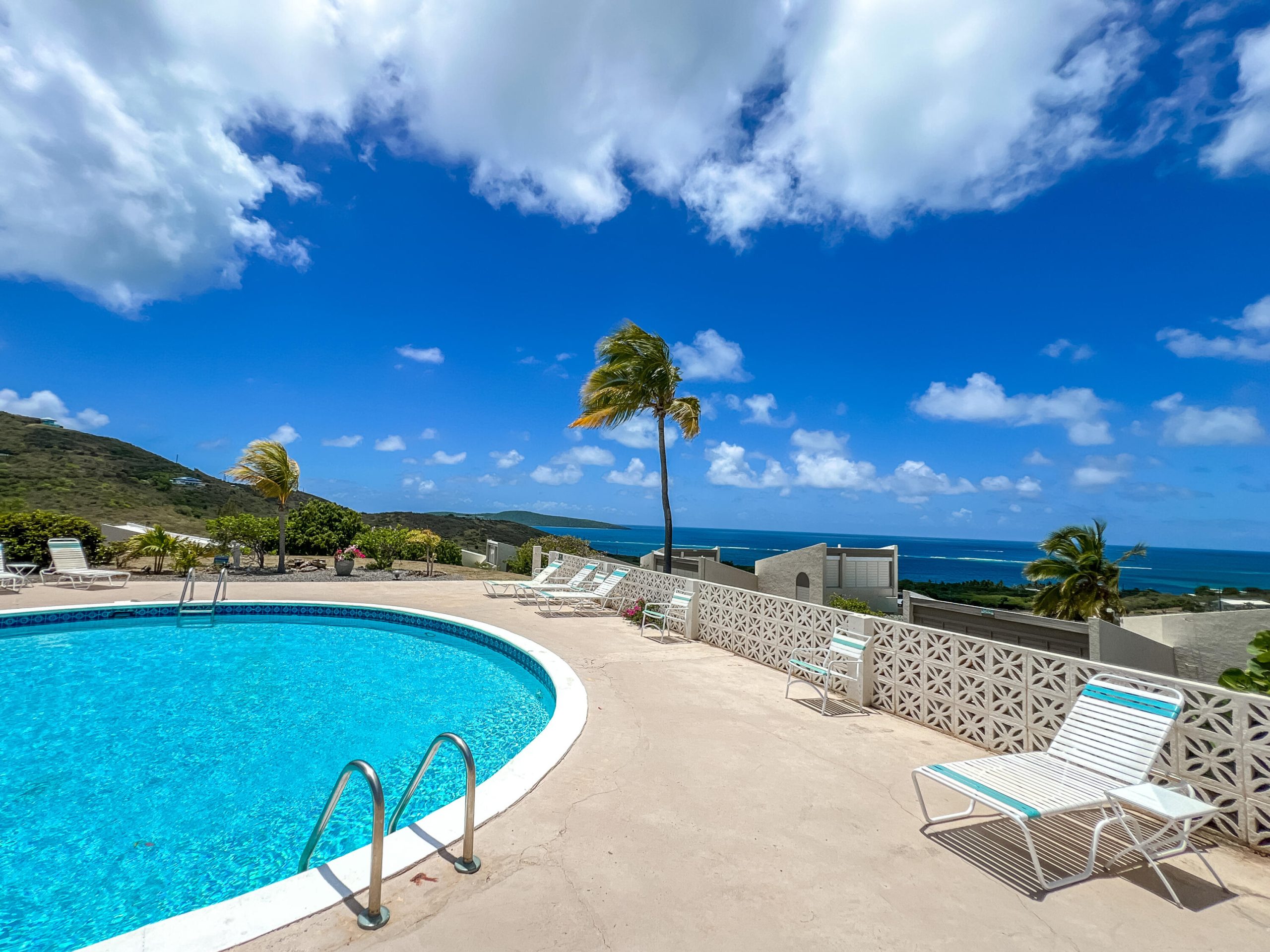
 325 Carden Beach is a spacious 3 bed, 2 bath condo within a secure gated community that offers a pool, tennis court, & gym.

Renting Your Home While You Are Away

A home on the islands is lived in for part of the year, and some owners choose to rent it during the months they are away. Association rules determine whether a home can be rented when the owner is not there, so if renting is part of your plan, look into it with your listing agent before you buy. If you’re considering investing in a rental property, our team can also advise on which areas and property types tend to perform best for vacation rentals.

Residency and Taxes: Questions to Bring to a Tax Advisor

Tax residency deserves attention before a stay is final. Agents interviewed by Inman described buyers whose attorneys explained the 183-day rule, the general standard states use to decide residency, before the buyer ever contacted an agent. Many states count any part of a day as a full day, and some weigh factors such as driver’s license, voter registration and family ties. A tax advisor who knows both your home state and the territory is the right guide for how those rules apply to time spent on the islands. The USVI Economic Development Authority also administers incentives, including income tax reductions and customs duty exemptions for qualifying individuals and businesses, with details at usvieda.org, and our RTPark tax incentive post adds background on one of the territory’s programs.

Frequently Asked Questions About Working From the US Virgin Islands

Can I work remotely from the US Virgin Islands as a U.S. citizen?

Yes. U.S. citizens can live and work on St. Croix without a visa or work authorization, because the US Virgin Islands are a U.S. territory. Employers set their own policies on where staff may work, and a tax advisor can explain how time on the islands affects residency, so confirm both before settling your dates.

What is internet service like on St. Croix?

Most properties on St. Croix have multiple high-speed internet options, including Starlink satellite service, which is fast and reliable. Every location is a little different, so ask the listing agent which options serve the home you are considering and make sure they fit the way you work.

Which home features matter most for a remote worker?

The features that matter most are a dedicated workspace, a confirmed high-speed internet connection, a covered outdoor area and a furnished, move-in-ready setup. A study, den or spare bedroom with a door that closes covers the workspace, and a covered gallery or terrace extends the office outdoors. A generator is also a good fail-safe way to make sure you’re available for your co-workers during all working hours.

Should I rent or buy for a first work-from-island stay?

Both paths work, and the right one depends on how settled you feel. Renting for a first stay lets you test the workday, the neighborhood and the pace before committing, while buying suits a routine you already know you will repeat.

Can I rent out my home while I am away?

Some owners rent their island home during the months they are away, and association rules determine whether a specific home allows it. If renting is part of your plan, look into it with your listing agent before you buy. There are also many homes that have a guest or separate living space to rent while you are home. Learn more about buying property with rental potential and where to buy for the best vacation rental investment.

Can U.S. citizens purchase property in the US Virgin Islands?

Of course! U.S. citizens can purchase property on St. Croix just as they can on the mainland, and our team guides buyers from the first search through closing.

Chris and Christie Powers work with remote professionals who want the workday to happen on the island, whether for a few weeks, a season or the long run. The first step is a conversation about the stay you have in mind. If you have questions or would like personalized guidance, we invite you to contact us.

Article first published on ColdwellBankerStCroix.com.
Preparing Your Home for Sale: 3 Crucial Steps for a Successful Listing

Preparing Your Home for Sale: 3 Crucial Steps for a Successful Listing

When you are considering selling your home or condo, hiring professional real estate professional early in the process makes all the difference. Booking an initial consultation allows us to evaluate your property, outline a strategic preparation plan, and determine an accurate market value.

This initial meeting is a critical step in helping you shift your mindset. Up to this point, your house has been a home filled with personal memories and emotions. Working with a professional helps you transition to viewing your property through the eyes of a homebuyer—an essential shift for achieving a fast, profitable sale.

Here are the three primary areas we focus on during your home preparation consultation:

1. Smart De-Cluttering & Staging

De-cluttering is the most important step in getting your home market-ready. Buyers need to see the true size, layout, and potential of your indoor and outdoor living spaces without being distracted by extra items.

However, staging is a fine line:

  • Too much clutter makes rooms feel small and overwhelming.
  • Over-clearing can make a home feel sterile, cold, and uninviting.

Our goal is to help you find the perfect balance so buyers can easily picture their lives in the space while still feeling a warm, cozy atmosphere.

2. Tackling Small Repairs & Maintenance

Minor maintenance issues that are easy for a current homeowner to live with can raise major red flags for prospective buyers during a showing or home inspection. Fixing these items ahead of time gives buyers complete confidence that your property has been well-maintained.

Common high-impact repairs include:

  • Fixing leaky faucets and minor plumbing issues
  • Repairing or updating door handles and locksets
  • Ensuring all doors and windows open, close, and latch smoothly
  • Touching up scuffed paint and trim

3. Pricing Your Home for the Current Market

Determining the right listing price requires a detailed analysis of local market trends. To recommend a competitive price strategy, we evaluate:

  • Active Listings: Similar properties currently for sale in your area
  • Recent Sales: Comparable homes sold within the past 12 months
  • Market Trends: Current buyer demand and local inventory levels

We combine this real-time data with your personal timeline, goals, and needs to craft a pricing strategy designed to get you top dollar.

Ready to Learn What Your Home is Worth?

Preparing to sell doesn’t have to be overwhelming. Contact our team today to schedule your complimentary home consultation and take the first step toward a successful sale.

Key Factors in Building an Island Home on St Croix

Key Factors in Building an Island Home on St Croix

Key Factors in Building an Island Home on St Croix

Every so often, a client sits across from us, eyes sparkling, and says some version of “What if we just… built our own place?” And we get it! Building means you pick the view, the lot, the layout, every single tile — instead of compromising on someone else’s floor plan from 1987. We made a video about this exact topic recently, because it’s one of our favorite questions to answer honestly, which means: yes, and also, let’s talk timeline.

The Number Everyone Wants: Cost

Construction on St. Croix typically runs $350 to $750 or more per square foot. That’s a wide range, and it’s wide on purpose — a straightforward build on flat, accessible land sits toward the lower end, while a dramatic cliffside lot with a view that makes people gasp (we love those) pushes toward the top, and sometimes past it. Our advice: budget for the middle of that range with real contingency built in, not the bottom number you saw once in a Facebook comment.

The Timeline Nobody Believes Until It’s Their Turn

Here’s the part that surprises almost everyone: construction itself usually takes 24 to 36 months once it starts, but the honest window from buying the land to moving in the front door is 3 to 5 years. We are not exaggerating for drama. Shipping timelines for materials and the availability of skilled labor on island are the two culprits behind that gap — not because anyone is working slowly, but because everything from lumber to light fixtures has to cross water to get here. Plan for the long timeline as the expectation, not the unlucky exception, and you’ll sleep a lot better through year two.

DPNR: Your New Pen Pal

Every build requires plan approval through the Department of Planning and Natural Resources, and that process alone typically takes 3 to 9 months. It happens before a single shovel goes in the ground, so it belongs at the very front of your timeline, not as an afterthought once you’re itching to start. Working with people who know DPNR’s process well is genuinely one of the best time-savers in the whole project.

The Stuff That’s Uniquely “Island”

Backup power isn’t optional here — it’s a budget line. Solar, battery storage, generators: each comes with its own upfront cost and upkeep, and deciding early lets you build it into your home’s design instead of bolting it on later. And prefab construction has picked up real popularity on St. Croix, mostly because it holds up better in storms and moves faster than traditional stick-built — a genuinely appealing combo in hurricane country.

If you’re a qualifying VI resident, don’t skip looking into the Own a Lot, Build a Home program, which can subsidize a meaningful chunk of construction costs. It’s worth investigating at the very beginning of the process, not after you’ve already committed to a budget.

Our Honest Take

The single most misunderstood part of building here isn’t the construction — it’s the gap between “construction time” and “total project time.” Buyers who mentally plan for 3 to 5 years, start to finish, end up so much happier than buyers anchored to the 24-month number alone. It’s not that building on St. Croix is harder than it sounds. It’s that it’s different than it sounds, and once you know that going in, the whole process feels a lot less like a mystery and a lot more like an adventure.

Thinking about land, or wondering whether building versus buying resale makes more sense for you? Reach out to us. We’ll grab our coffee (and tea), pull up some lots, and talk through what building your own piece of paradise could really look like.

You’re Inheriting a Home on St Croix: Now What?

You’re Inheriting a Home on St Croix: Now What?

So You’re Inheriting a Home on St. Croix… Now What?

We get this call more often than you’d think: someone on the mainland, phone in hand, half grieving and half googling, saying some version of “My aunt/uncle/grandparent left me a house on St. Croix. I have no idea what to do.” We made a recent video about exactly this, and figured it deserved a proper write-up too — the kind you can read slowly, with a cup of coffee, instead of scrolling past.

First things first: take a breath. Inheriting a home is one of those life moments that brings mixed emotions, even when the property itself is a genuine gift. A home tied to a loved one carries emotional weight, and there’s no rule that says you have to figure everything out this week. St. Croix will still be here (it’s not going anywhere — trust us, we’ve checked).

The St. Croix-Specific Stuff Nobody Warns You About

Inheriting a home on St Croix is incredible, no doubt. But you’ll want to sort out the practical groundwork: confirming how title actually transferred (probate here can take time), getting a clear picture of the property’s condition after our lovely, humid climate has had its way with it, and understanding USVI-specific tax and closing processes if you do decide to sell. None of it is scary. It’s just different from a mainland transaction, and that’s exactly the kind of thing we walk clients through daily.

There’s no universally “right” choice here — only the right one for you, your family, and whatever your loved one would probably want you to do with their little piece of paradise. If you’ve inherited a home on St. Croix and aren’t sure where to start, reach out to us. We’ll sit down, coffee or tea in hand, and help you figure out your next step.

Buying a Condo: Assumptions vs Reality

Buying a Condo: Assumptions vs Reality

We’ve been creating a monthly newsletter for many years. In all that time, no one has suggested a topic to us, until recently. Someone we’d helped buy a condo mentioned that she enjoyed receiving the newsletters. When asked if there was a topic she would like us to cover, and she surprised us by saying, “Yes.” Christine, this one’s for you!

Christine noticed a pattern as she’s talked with new condo owners. People were buying condos without knowing anything about the complex, except the amenities. The new owners thought that they would be able to do whatever they wanted to the condo, and use the condo as they liked. Because the new owners had those expectations, they were a little disappointed with their purchase.

Living in a condo complex is very different from home ownership. It’s more similar to apartment living. There are rules, fees, common areas, possible assessments, and board and committee participation.

As you review condo listings, look to see if there is a the Document section. This is where the listing Realtor will include information other than the amenities. In our condo listings we add as much information as we can find.

  • You may see:
  • By-Laws
  • Rules & Regulations
  • Condo Declaration
  • Articles of Incorporation
  • Approved Budget
  • Rules for Renters
  • Rules for Property Managers
  • Pet Policy

No complex will have all of these documents because not all complexes have all of these rules. And, sometimes information, like the pet policy, may be included in the Rules & Regulations instead of in a separate document.

Unfortunately, unless you are looking at the listing through the MLS (Multiple Listing Service), the Documents section may not appear even though it is part of the listing.

Here are a couple of examples of people thinking they can use the condo as they’d like.

Baby On the Way

A large one bedroom condo was being shown to a couple with a baby. During the showing they told me that they were intending to have a second child. Because I was already familiar with the Rules & Regulations of the complex, I was able to share that the complex allowed no more than 3 people living in the condo, so this complex would not work for them and their growing family.

 Adding a New Window

Some clients of ours were thinking of buying an end unit so that they could add a window on the side of the building for increased light and airflow. They were cautioned that this might be allowed, but it would need to be approved by the Condo Board of Directors. One cannot just create an opening as you could if you owned a house.

Bottom line? Make sure that you see at least the Rules & Regulations.

Ask for any documents for the complex. If you have something in mind for living in the condo, or changes you may want to make to it, express this to your Realtor. They will be able to assist you in discovering if it’s possible, and will ensure that you know as much as you can so that you will be happy with your purchase and your life at the condo complex.

Watch our video below for more of our discussion. Read our August 2026 Newsletter here.