Understanding and protecting coral reefs around St Croix
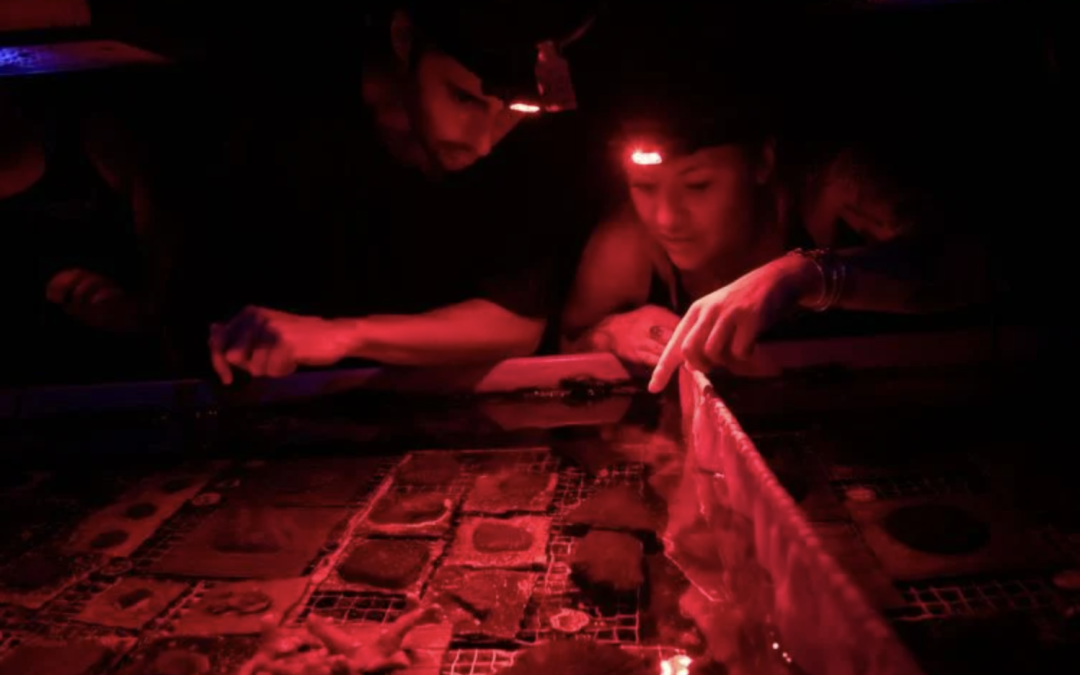
Two scientists with the National Oceanic and Atmospheric Administration (NOAA) recently visited St. Croix to study St. Croix’s coral reefs to guide protection efforts. According to the St Croix Source, the NOAA scientists who visited St. Croix from Miami included Ian Enochs, Ph.D., head of NOAA’s Coral Program at the Atlantic Oceanographic and Meteorological Laboratory (AOML), and oceanographer Nicole Besemer, the Caribbean Climate Operations Coordinator for the National Coral Reef Monitoring Program (NCRMP).
Enochs said, “NOAA recognizes the incredible economic and societal value of coral reefs, including the billions of dollars in tourism and fisheries they support for the U.S. economy, as well as the coastal and storm protection they provide to homes and communities,” he explained. “Our work is targeted at making sure that our American reef infrastructure is maintained for all that benefit from it.”
Enochs also said, ““St. Croix is home to beautiful coral reefs that support important fish populations and buffer the shore from wave energy, as well as provide amazing diving and snorkeling opportunities that bring in tourists and support local businesses,” and “Anyone walking through the towns can see the importance of diving and ocean tourism, and anyone that is lucky enough to actually see the reefs themselves underwater can view their beauty. Reefs are such a vital part of what makes St. Croix what it is.”
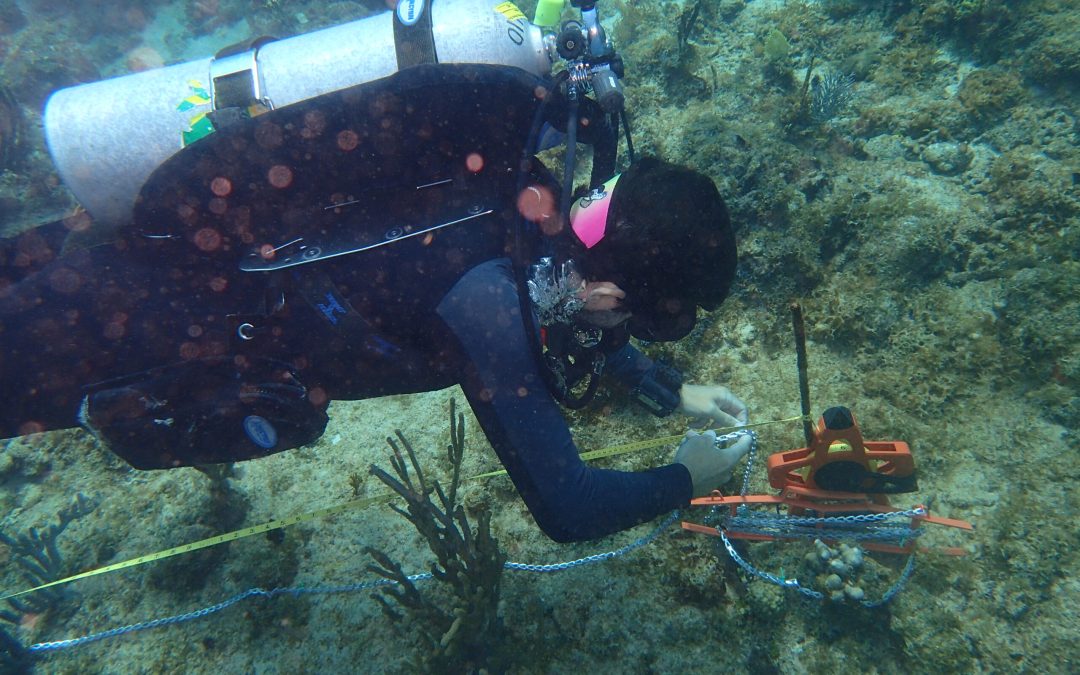
Vulnerabilities also exist in St Croix’s coral reefs. In some areas, there has been coral death from bleaching and disease. Besemer shared her observations, “My first time at the monitoring sites was in 2019, and we have now visited in 2022 and 2025,” Besemer said. “I have seen firsthand the difference and amount of coral that we have lost due to bleaching and coral disease in our photomosaics. It’s very important to track these changes and make sure managers, stakeholders and the general public are aware of the status of their reefs so informed decisions can be made to protect and restore them.”
Read the full article here.
Photo courtesy Ian Enochs, Nicole Besemer, NOAA