
What Buyers and Second-Home Owners Need to Know about the New York to St. Croix Nonstop Flights
Grab a bagel from your favorite bodega on the way to Newark, and by that afternoon your toes can be in the sand on St. Croix with a Painkiller in hand. Starting October 31, 2026, United’s new Newark to St. Croix nonstop flight leaves on Saturday mornings and lands at Henry E. Rohlsen Airport in the early afternoon. For people who live on St. Croix, it is also a direct way to the New York area without changing planes anywhere. Northeast visitors, second-home shoppers, and current owners planning winter travel now have a Saturday to build a week around, whether that week is a vacation or a first look at St. Croix real estate.
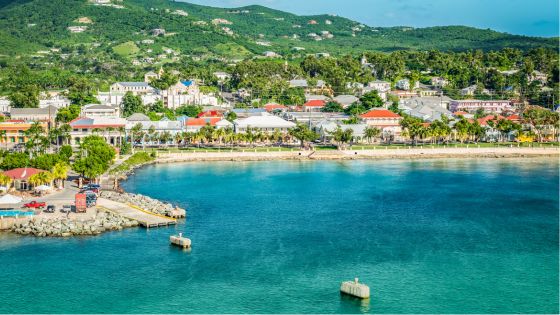
What a Saturday Nonstop Changes for Residents, Buyers, and Second-Home Owners on St. Croix
For people who live on St. Croix, Saturday becomes the day to head north with no change of planes anywhere. Visits with family, friends, or business in the New York area now start with a single flight from the island and end with one back.
For New York-area buyers and second-home owners, the flight is one hop in and a full week on St. Croix before the Saturday return. December through April are historically the busiest months for visitors to the U.S. Virgin Islands, so the first Saturday flights land about a month ahead of that stretch.
The New Newark – St. Croix Schedule at a Glance
United operates the Newark to St. Croix route on Saturdays, and the first flight is October 31, 2026. The outbound leaves Newark Liberty International Airport in the morning and reaches St. Croix in the early afternoon, and the return leaves in the afternoon. The flight should take about four and a half hours each way, and United sets and adjusts its schedules, so current times are posted at united.com when you book.
The route joins a Caribbean network that United says now reaches 23 destinations from Newark, more than any other carrier from the New York City region. It also sits alongside United’s existing Newark – St. Thomas flight, which gives travelers more flexibility when planning an island-hopping trip across the U.S. Virgin Islands.
Every Nonstop Gateway to St. Croix Right Now
Nonstop service reaches St. Croix from several directions, and Newark adds the New York area to the map starting October 31. American Airlines flies from Miami and, seasonally, from Charlotte, and Delta Air Lines flies from Atlanta. The Miami nonstop takes two to three hours, and the Atlanta nonstop runs just under four hours.
Flights to St. Croix from New York now have a direct option of their own. United’s Newark flight gives the New York City area a nonstop to the island, and United says no other airline offers one. Inter-island carriers also link St. Croix with St. Thomas and San Juan.

A Saturday-to-Saturday Week on St. Croix: What Owners and Guests Can Do
A Saturday-to-Saturday week on St. Croix gives six full days between arrival and departure. The first evening belongs to one of the two towns. Christiansted’s harbor front centers on Fort Christiansvaern and the Danish colonial buildings of the Christiansted National Historic Site, with restaurants lining the boardwalk. Frederiksted moves at a slower pace, its waterfront built around the pier and a stretch of restaurants and galleries that quiets once the cruise ships leave.
The middle of the week belongs to the water. A boat trip from Christiansted to Buck Island Reef National Monument covers the snorkeling trail that the National Park Service marks and maintains. At Cane Bay on the North Shore, the reef wall begins a short swim from the beach and drops from shallow sand into open blue water. The Frederiksted Pier draws snorkelers for seahorses, frogfish, and other small reef life in calm water. On the days that start on land, the Carambola zip line course and horseback rides along the beach sit within easy reach on the West End.
From about September to mid-April, Sandy Point on the southwestern tip of the island opens to visitors on weekends, historically from 10 a.m. to 4 p.m., which makes Sunday a natural day for a stroll along its wide sandy beach. Sandy Point is also one of the most significant leatherback and green sea turtle nesting sites in the U.S. Virgin Islands. Winter brings the annual Crucian Christmas Festival, with the island’s music and traditions on full display.
Owners can plan around the same rhythm. A Saturday arrival and a Saturday return make seven nights a natural length for a visit, with six full days at the house and on the island in between.
What Added Airlift Means for Vacation Rental Demand
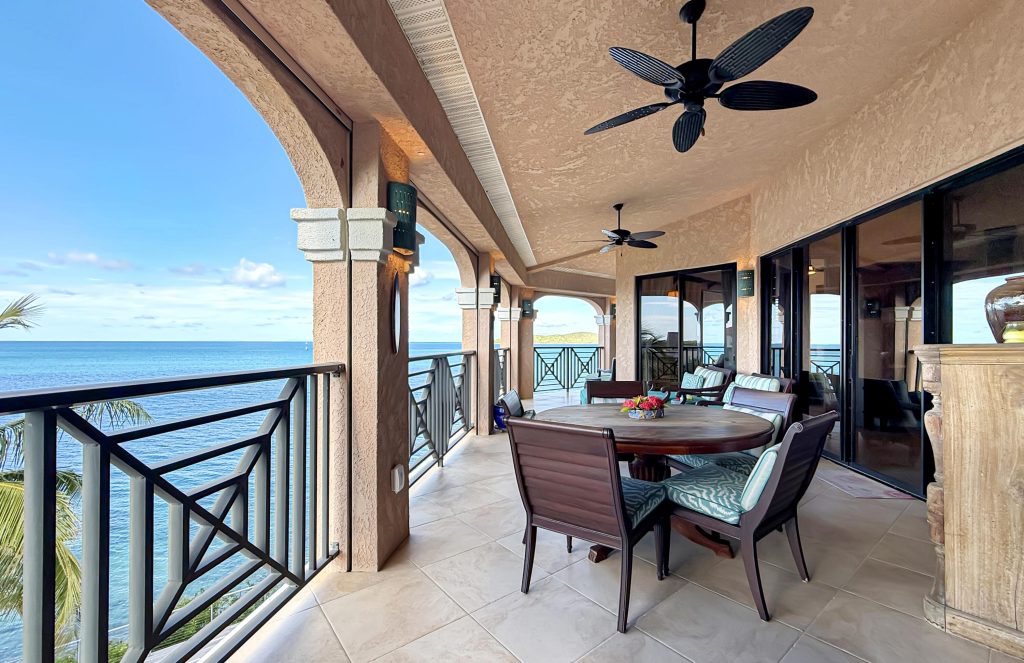
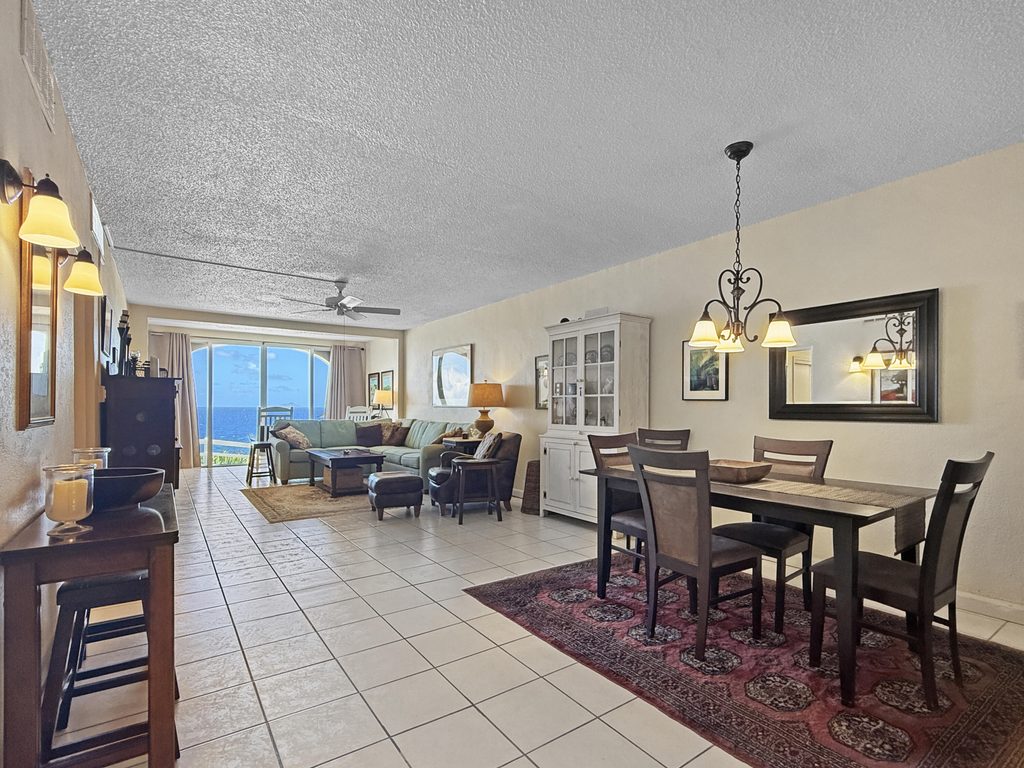
Each Saturday flight brings up to 126 seats into St. Croix from the New York area, and a Saturday arrival fits the weekly stay that many St. Croix vacation rentals offer, since both nightly and weekly rates are available on many properties. The island’s rental portfolio spans every coast, from waterfront condos at Sunset Beach on the West End to bay houses above Grapetree and estates along the East End Marine Park, so a guest on the Saturday flight can match the property to the week they have in mind.
Our guides on investing in rental property on St. Croix and choosing between a house and a condo for vacation rental income walk through those choices by location and property type, from the Cane Bay Wall on the North Shore to the calm, reef-protected coves on the East End. For owners who welcome guests, the Newark nonstop is one more route by which guests reach the island, and our team can talk through how a Saturday arrival fits a specific home’s calendar.
Neighborhoods Within 30 Minutes of the Airport
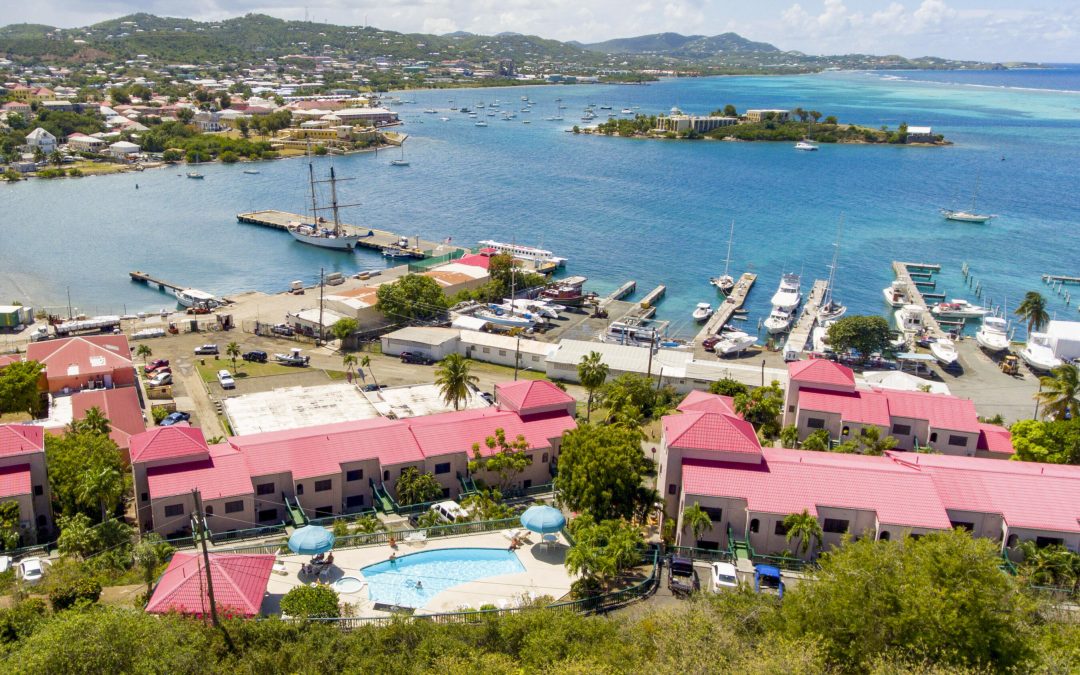
Christiansted and Frederiksted are each about 15 to 20 minutes by car from Henry E. Rohlsen Airport, according to the US Virgin Islands Department of Tourism, which puts both historic towns inside a 30-minute drive. Christiansted is the island’s main commercial and dining hub, with yellow-walled buildings and a historic fort beside the harbor. Frederiksted, on the west side, is known for its colorful historic homes and its sunsets over the water.
Beyond the two towns, the island opens into the settings described on our STX News and island updates page: Sandy Point and rainforest on the West End, a drier, windswept East End with easy access to Buck Island, and rolling farmland in between. The island runs about 28 miles end to end, so a Saturday arrival leaves time to drive in either direction and see how the settings differ. Our active listings page shows what is currently on the market on St. Croix, and buyers drawn to the island’s higher-end homes can start on our Luxury Listings page.

Planning a Property Tour Around the Saturday Flight
A property tour built around the Saturday nonstop has six full days between landing and departure, and the most useful first step is sending your agent the flight details before booking. An early-afternoon landing suits an orientation drive on arrival day, with showings beginning Sunday or Monday depending on the properties. A Saturday-afternoon return leaves Friday for second looks and final questions.
As experienced Realtors, we can arrange showings across the island and line up conversations about financing and inspections around the days a buyer is here. A first visit to St. Croix real estate works best when the week has a shape, and the Saturday flights give it one.
Arrival-Day Details That Set Up the Week on St. Croix
A U.S. citizen flying between Newark and St. Croix needs a REAL ID-compliant photo ID or a passport, and the trip home includes a U.S. Customs and Border Protection check before TSA screening. A passport is the easiest document to have in hand at that check.
Rent a car before landing. St. Croix runs about 28 miles end to end, driving is on the left, and the beaches, dive sites, and restaurants are spread across both ends of the island. Leave at least one day unplanned, since the weeks that go best are rarely the fully scheduled ones.
Frequently Asked Questions About the Newark to St. Croix Nonstop Flight
Is there a direct flight from New York to St. Croix?
Yes. United Airlines begins nonstop service between Newark Liberty International Airport and Henry E. Rohlsen Airport on St. Croix on October 31, 2026, and United says it is the only airline offering nonstop service between St. Croix and the New York City area. The flight works in both directions, so St. Croix residents can fly to the New York area without changing planes, and tickets are available at united.com and on the United app.
What days does United fly Newark to St. Croix, and how long is the flight?
United flies Newark to St. Croix on Saturdays, beginning October 31, 2026, and the flight should take about four and a half hours. The outbound leaves Newark in the morning and arrives on St. Croix in the early afternoon, and the return leaves in the afternoon, with current times posted at united.com.
What do U.S. citizens need to fly to St. Croix?
U.S. citizens fly between the mainland and St. Croix with a REAL ID-compliant photo ID or a passport, and a passport is not required because the island is a U.S. territory. The return trip includes a U.S. Customs and Border Protection check before TSA screening, and a passport is the easiest document to have in hand for it.
How does easier air access affect owning a second home on St. Croix?
A nonstop flight makes a second home on St. Croix easier to use for owners based in the New York area, since a single flight of about four and a half hours reaches the island. United’s service runs on Saturdays, which suits Saturday-to-Saturday visits, while American and Delta serve St. Croix from Miami, Atlanta, and, seasonally, Charlotte on their own schedules. Owners who rent to guests can talk with our team about how a Saturday arrival fits a home’s calendar.
Which areas of St. Croix are closest to the airport?
Christiansted and Frederiksted are the two towns closest to Henry E. Rohlsen Airport, each about 15 to 20 minutes away by car according to the US Virgin Islands Department of Tourism. The airport sits on the southwest side of the island.
Should I rent a car when I visit St. Croix?
Yes. A rental car is the best way to cover St. Croix, which runs about 28 miles from end to end, and driving on the island is on the left. Several rental options operate on island, and reserving before arrival keeps the first Saturday afternoon simple.
The first Saturday flight lands on October 31, and the winter calendar follows close behind. Commissioner Jennifer Matarangas-King of the US Virgin Islands Department of Tourism, who was born and raised on St. Croix, called the route a milestone for residents and visitors alike.
Chris and Christie Powers can build a property tour or a conversation about renting around that arrival. If you have questions or would like personalized guidance, we invite you to contact us.
Article first published on ColdwellBankerStCroix.com.